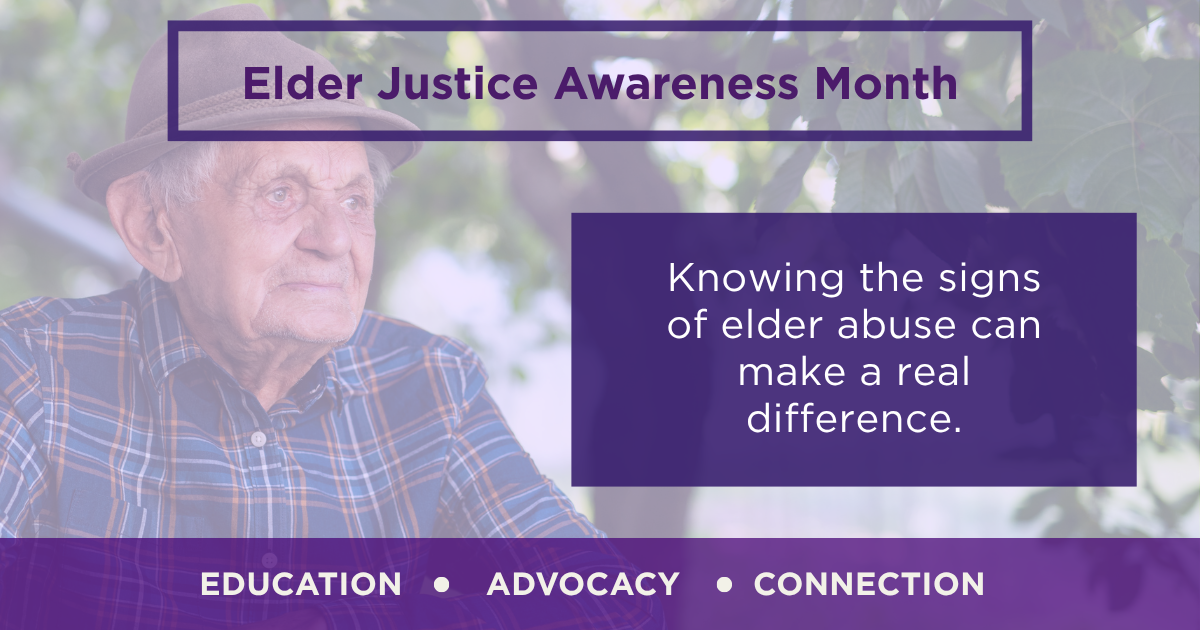
Every June, communities across the nation observe Elder Justice Awareness Month, a time to renew our commitment to the safety, dignity, and rights of older adults. At the center of that observance is World Elder Abuse Awareness Day (WEAAD). Observed on June 15, WEAAD is a global call to raise awareness of abuse, neglect, and exploitation and to strengthen the supports that help older adults live securely and with dignity.
For Bay Aging, elder justice is more than a legal principle. It is a community responsibility grounded in three powerful forms of protection: education, advocacy, and social connection. Together, these resources help people recognize warning signs earlier, make informed decisions, stay connected to trusted support, and speak up when something is wrong.
The Hidden Crisis Facing Our Neighbors
Elder abuse can take many forms, including physical, emotional, or financial abuse, neglect, and isolation. It is often hidden, underreported, and difficult to address without trusted community partners. Public awareness efforts throughout June matter because they help families, caregivers, professionals, and neighbors better understand the warning signs and the steps they can take to respond.
National elder justice leaders continue to emphasize that abuse and fraud against older adults remain a major concern, especially when isolation, confusion about complex systems, or lack of support make someone more vulnerable. That is why local, trusted organizations matter so much. Bay Aging helps meet that need by educating older adults and families, advocating for residents and beneficiaries, and creating opportunities for connection that reduces isolation and strengthens safety.
Consider Florence’s story: After moving in with her daughter’s family, Florence is treated kindly when others are present, but when she is alone with her son-in-law, he insults her, intimidates her, and threatens to isolate her, take her money, and convince others she has dementia. Over time, Florence withdraws, stays in her room, eats less, and speaks less—changes that may look like “adjustment” from the outside, but can also be signs of emotional abuse and intimidation.
Stories like Florence’s help explain why elder abuse prevention must include more than crisis response. Education helps families, professionals, and neighbors recognize subtle warning signs. Advocacy gives older adults a trusted path to be heard and protected. Social connection reduces the isolation that can make abuse easier to hide.
Education, Advocacy, and Connection: Resources That Help Prevent Elder Abuse
Bay Aging’s services reflect what prevention experts consistently point to: older adults are safer when they have clear information, strong advocates, and meaningful connection to community resources. Across the region, Bay Aging helps put those protections into practice through programs that inform, empower, and support older adults and their families.
• Education through Senior Medicare Patrol: Working alongside Senior Medicare Patrol (SMP), Bay Aging also helps older adults prevent, detect, and report health care fraud, billing errors, and abuse. This kind of education reduces confusion, builds confidence, and helps older adults protect themselves from scams and deceptive practices.
• Advocacy through the Long-Term Care (LTC) Ombudsman Program: Bay Aging’s LTC Ombudsman Program serves as an independent advocate for residents of nursing homes, assisted living communities, and adult care homes. Ombudsmen help resolve complaints, protect resident rights, and make sure concerns are heard. Advocacy like this is essential to elder justice because it gives older adults and families a trusted voice when care, dignity, or safety are at risk.
• Social connection through community-based services and engagement: Prevention is not only about responding after harm occurs. It is also about reducing risk before abuse can take hold. Bay Aging’s broader network of community living programs, such as Meals on Wheels, Active Lifestyle Centers, Caregiver Support, and local outreach services help older adults stay connected to people, programs, and trusted systems of support. That connection matters because isolation is a known risk factor for elder abuse, while supportive relationships and a strong sense of community can help protect older adults from harm.
Why Awareness and Community Action Matter
World Elder Abuse Awareness Day reminds us that preventing abuse is not the responsibility of one agency alone. It takes informed families, engaged neighbors, responsive professionals, and accessible local services. Throughout Elder Justice Awareness Month, Bay Aging’s educational outreach, counseling, advocacy, and community presence help turn awareness into action by giving older adults and caregivers practical tools, trusted guidance, and pathways to support.
How You Can Make a Difference
Each of us has a role to play in protecting older adults. You can make a difference by:
1. Stay connected: Regular calls, visits, and check-ins can reduce isolation and help identify concerns early.
2. Learn the warning signs: Watch for sudden financial changes, unexplained injuries, withdrawal, fearfulness, or abrupt changes in care or behavior.
3. Seek trusted help: Reach out to local programs such as Bay Aging’s Ombudsman, VICAP, and SMP services when you need guidance, advocacy, or help understanding a possible problem.
4. Avoid caregiver burnout: Encourage family caregivers to lean into local support, programs, and resources.
5. Speak up: If you suspect abuse, neglect, or exploitation, report your concerns to the appropriate authorities and connect with trusted local resources.
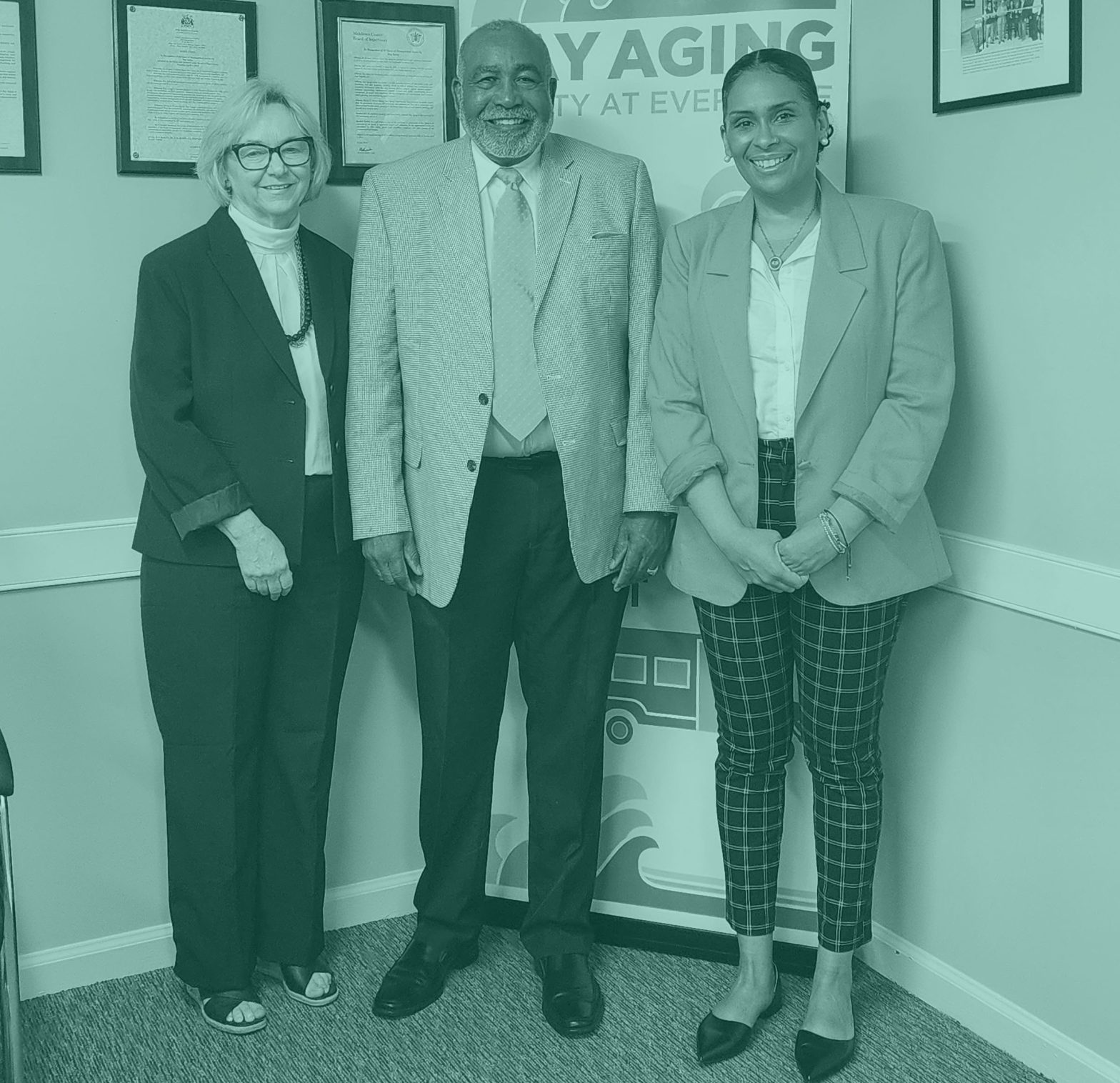
Bay Aging’s President & CEO Kathy Vesley, emphasizes, “Elder Justice Awareness Month and World Elder Abuse Awareness Day are reminders that older adults deserve to age with dignity, security, and respect. By investing in education, advocacy, and social connection, Bay Aging helps build the kind of community where older adults are seen, heard, and protected.”
To report elder abuse in Virginia’s Middle Peninsula or Northern Neck, call the 24/7 toll-free Adult Protective Services (APS) Hotline at 888-832-3858 or use the online reporting portal at www.reportadultabuse.com. For immediate danger or medical emergencies, call 911